When Football Shows Solidarity: Mallorca, Venezuela, and the Power of a Silent Statement
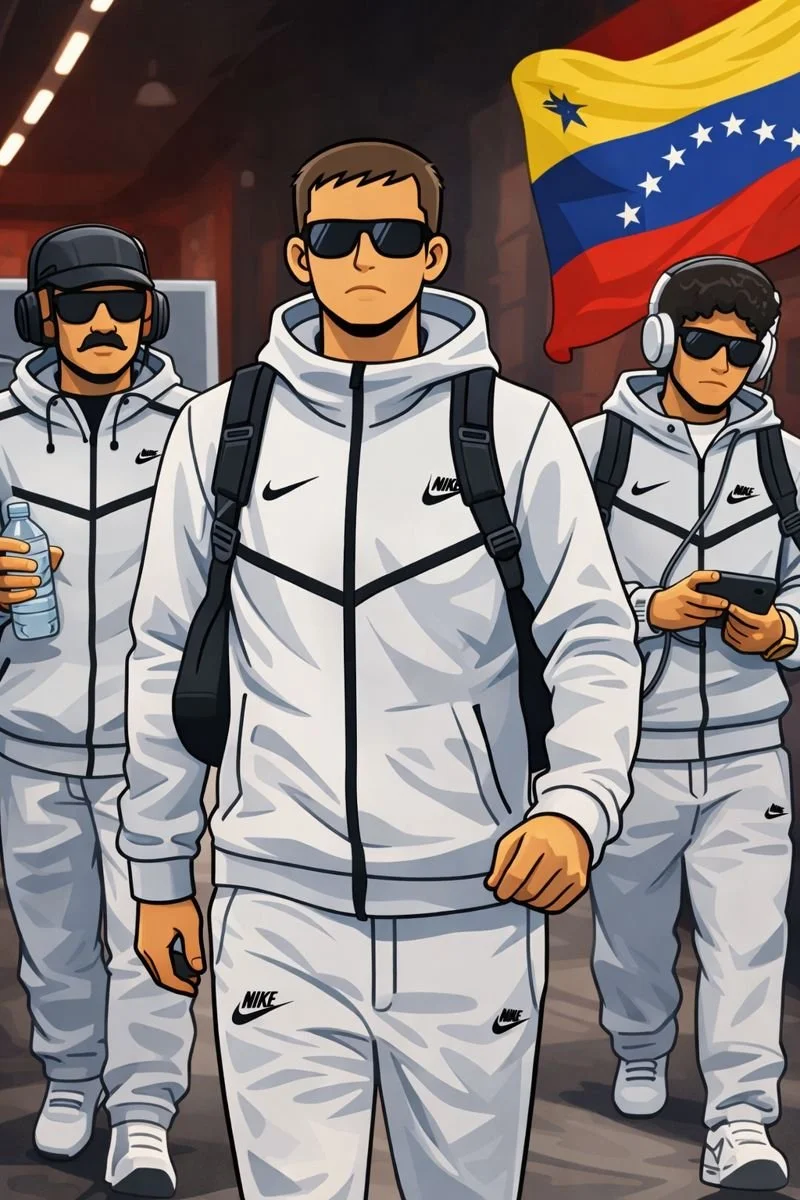
A routine pre-match arrival by RCD Mallorca players unexpectedly became a global talking point. Images and video clips showed the squad arriving in matching club tracksuits that closely resembled those seen in widely circulated footage connected to Venezuelan president Nicolás Maduro during a moment of intense political scrutiny.
The visual similarity was enough to spark rapid speculation online. Across social media, fans began sharing the images alongside commentary framing the moment as symbolic — a perceived stand against authoritarianism and a show of solidarity with the people of Venezuela.
There has been no official indication that Mallorca or its players intended to make any political statement. The tracksuits are standard club travel wear. But once the images spread, the meaning assigned to them by supporters took on a life of its own.
How a Routine Moment Became a Symbol
Football visuals travel fast, often faster than explanations. In this case, a familiar football scene — players walking through a tunnel in club attire — collided with a highly charged political moment unfolding elsewhere.
For many viewers, the resemblance between the tracksuits and the imagery surrounding Maduro became more than coincidence. It was read as a contrast: elite athletes associated with freedom of movement and global competition appearing visually aligned with imagery tied to repression and control.
Whether that reading was intentional or not, it resonated. Supporters framed the image as football standing with Venezuelans — a symbolic rejection of Maduro’s rule and a reminder that global attention still matters.
Why Football Is So Easily Pulled Into Politics
Football is one of the most visible cultural platforms in the world. It reaches millions instantly and carries emotional weight far beyond the pitch. When political events dominate the news cycle, fans often look for signs of solidarity in spaces that feel communal and human.
Clubs and players are usually careful to avoid explicit political messaging, but supporter culture has never operated under the same restrictions. Fans interpret, remix, and amplify moments based on how they feel — not on official intent.
Solidarity Doesn’t Require an Official Statement
This moment highlights an important distinction. A club doesn’t have to declare solidarity for supporters to experience it. Meaning can be created collectively, through interpretation, sharing, and repetition.
For Venezuelans and their supporters abroad, the viral spread of the Mallorca images mattered because it felt like acknowledgment. Even perceived recognition from a global sport can reinforce the sense that their situation hasn’t been forgotten.
Where Chants and Fan Culture Enter the Story
Football fans have long used chants to express what institutions often cannot say directly. Chants turn emotion into shared language — short, repeatable lines that travel through a stadium and beyond it.
When political or humanitarian moments intersect with football, chants often become the clearest expression of solidarity. They allow supporters to respond immediately, collectively, and loudly.
Spain’s Tradition of Collective Voice
Spanish football culture has a deep history of collective expression in the stands. While not every club or supporter group is political, Spanish terraces have often responded when broader social or political issues enter the public conversation.
In that context, it’s unsurprising that fans interpreted Mallorca’s viral moment through the lens of unity and resistance. Football in Spain has long functioned as a public space where shared values are expressed — sometimes clearly, sometimes symbolically.
What This Moment Ultimately Shows
The Mallorca tracksuit moment wasn’t created as a political gesture, but it became one through collective interpretation. That transformation says less about clothing and more about football’s role as a cultural mirror.
When supporters see an image that aligns with their values — especially during moments of political crisis — they give it meaning. And once that happens, the moment becomes part of football culture, whether it was intended or not.